
A guide to the latest Microsoft 365 licensing cost adjustments
Microsoft 365 is getting a price increase. Announced in December 2025 and effective July 1, 2026, the update affects a broad range of commercial, nonprofit,

6 Reasons your cloud costs are higher than they should be
Most organizations that move to the cloud do so expecting to save money. However, many end up spending more than anticipated, often without a clear

How to collect customer data securely (and why it matters more than ever)
Customer data is the engine behind better products, sharper marketing, and stronger business decisions. But how a business collects and protects that data has become

Web hosting explained: How to choose the right plan for your business
Every business website needs somewhere to live. Web hosting is the infrastructure that makes that possible — the servers, storage, and software that keep your

Fileless malware: The threat your antivirus can’t always see
Most cybersecurity tools are built around a simple assumption: malicious software leaves files behind. Fileless malware is designed specifically to defeat that assumption. Rather than
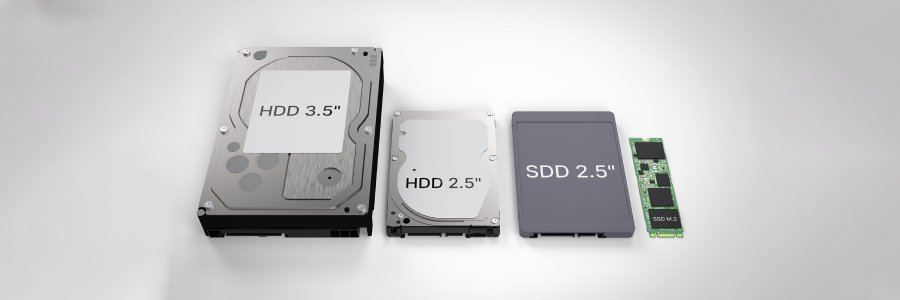
Hard drives vs. solid-state drives: What every business owner should know
Corporate hardware decisions require balancing daily operating speeds against long-term data preservation requirements. Evaluating the fundamental mechanics of your storage hardware allows you to maximize

Virtualization or the cloud? How to choose the right solution for your business
“We should move to the cloud” and “we should virtualize our servers” often get treated as the same conversation, but they’re solving different problems. One
Microsoft is ending Office 2021 support in 2026
If you or your team are still running Office 2021, which houses the standalone perpetual-license versions of Word, Excel, PowerPoint, and Outlook, mark your calendar. Microsoft

Business intelligence: Leveraging data to make smarter decisions
From sales figures and customer interactions to website traffic and support tickets, every business generates a vast amount of data. Business intelligence (BI) provides the